Resource center · reviewed August 7, 2026

Catchment Water Planning

Plan catchment storage, maintenance, treatment, testing, replacement reserves, and buyer due diligence using Hawaiʻi-specific guidance.
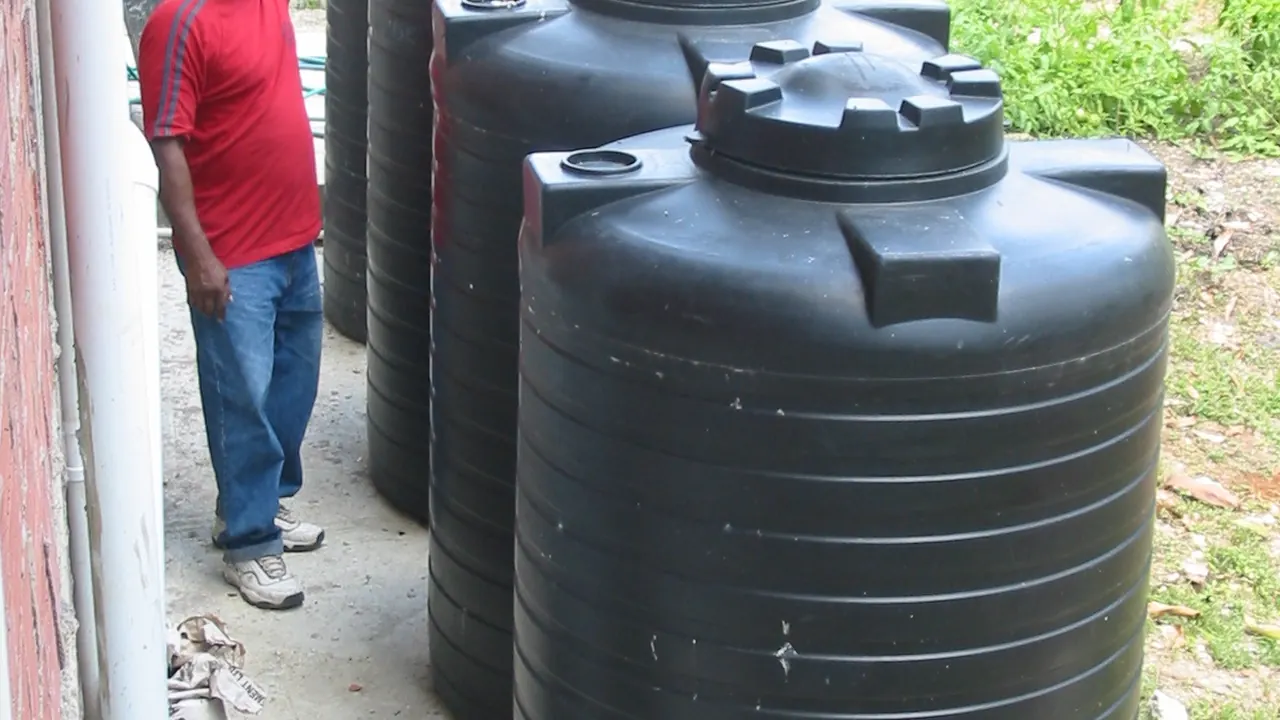
Roof gutters feeding a rainwater storage tank beside a building
Rainwater harvesting system · CC BY-SA 2.0 · Meg Stewart. Representative catchment storage context—not a photograph of a specific Hawaiʻi property.

Comparable facts

Catchment planning path comparison

Plan the entire path from roof to tap. Tank capacity is only one part of reliability; collection surfaces, storage, pumps, treatment, testing, maintenance, power, and emergency water all matter.

Size storageSize storage using household demand, roof yield, rainfall uncertainty, delivery access, and a dry-day buffer.
Inspect and documentInspect and document the roof, gutters, inlet controls, tank, pump, pressure equipment, filters, disinfection, plumbing, and backup-water path.
Budget upkeepEstimate annual maintenance and replacement reserves with actual product and service costs.
Write the planSet a written maintenance and testing schedule using current official guidance and qualified advice.
Keep recordsKeep records so buyers, residents, and service providers know what was done.

Plan the entire path from roof to tap. Tank capacity is only one part of reliability; collection surfaces, storage, pumps, treatment, testing, maintenance, power, and emergency water all matter.

Decision path

Use the cluster in order

  1. Size storage using household demand, roof yield, rainfall uncertainty, delivery access, and a dry-day buffer.
  2. Inspect and document the roof, gutters, inlet controls, tank, pump, pressure equipment, filters, disinfection, plumbing, and backup-water path.
  3. Estimate annual maintenance and replacement reserves with actual product and service costs.
  4. Set a written maintenance and testing schedule using current official guidance and qualified advice.
  5. Keep records so buyers, residents, and service providers know what was done.

Primary sources

Official Hawaiʻi guidance