Guide · reviewed August 6, 2026
Shipping lithium batteries to Hawaiʻi
Separate checkout claims from carrier acceptance and understand why large batteries may require specialized surface or ocean transport.

Transport mode comparison
Acceptance depends on battery type, watt-hours, whether it is installed in equipment, condition, packaging, labels, documentation, carrier policy, and transport mode.
Large lithium batteries are not ordinary parcels
Rechargeable lithium batteries are regulated for transport. Acceptance depends on battery type, watt-hours, whether it is installed in equipment, condition, packaging, labels, documentation, carrier policy, and transport mode. Large power stations and standalone batteries may not qualify for the same air or mail options as small consumer electronics.
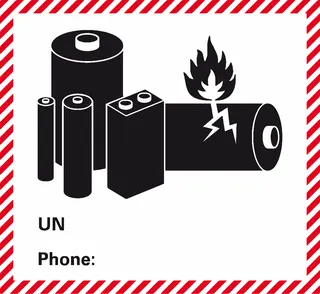
Ask these questions in this order
- What is the exact battery chemistry, model, watt-hour rating, quantity, and condition?
- Is the battery installed in equipment, packed with equipment, or shipped by itself?
- Will the seller ship it to your Hawaiʻi ZIP through its own approved process?
- If not, will a qualified forwarder accept the exact item for lawful surface or ocean transport?
- What packaging, markings, documents, terminal rules, and final-mile restrictions apply?
- Who is responsible if the seller sends an undeclared or noncompliant shipment?
Do not remove labels, conceal a battery, call it a different product, or ask a forwarder to “just send it.” Damaged, defective, recalled, swollen, leaking, or modified batteries can face stricter prohibitions and should not enter an ordinary shipping stream.
Primary rules to check
Those sources do not replace the accepting carrier’s current requirements. Get explicit acceptance for the exact model before buying.